The Interplay of Game Variety Choices and Market Volatility in Multi-Activity Digital Sessions
Written by Rosa Becker · Jun 10, 2026
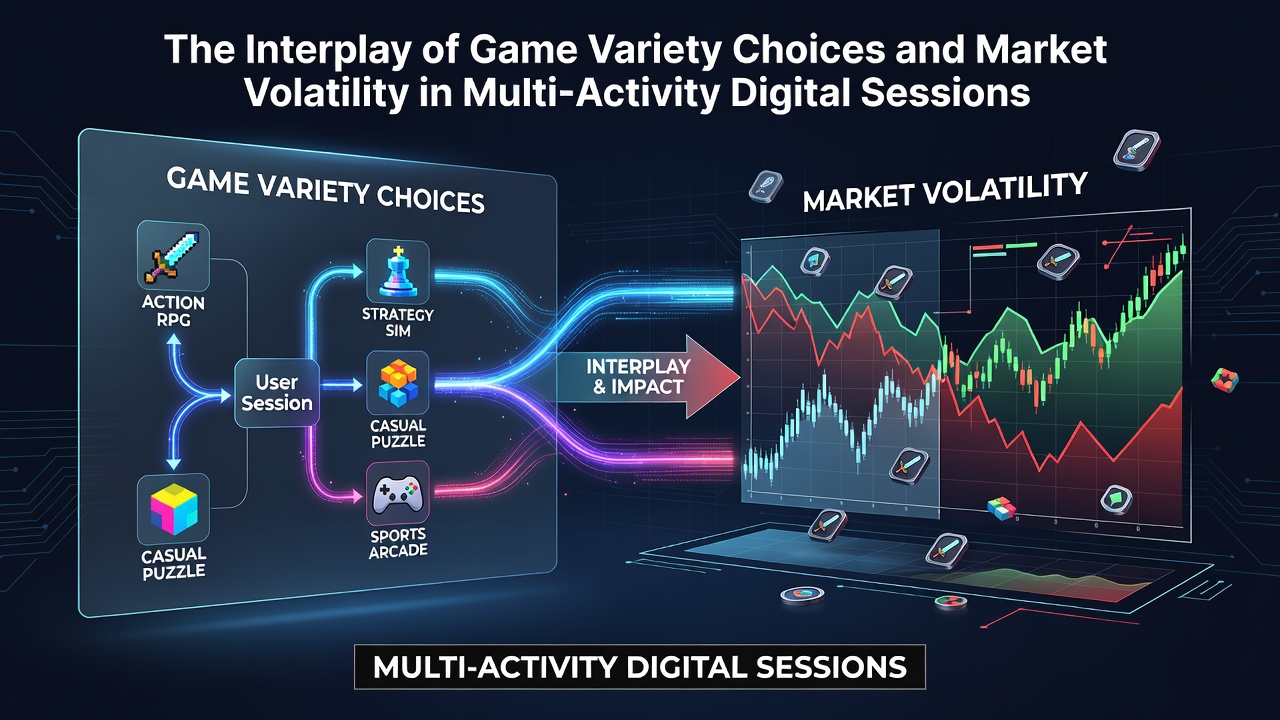
The Interplay of Game Variety Choices and Market Volatility in Multi-Activity Digital Sessions
Digital platforms hosting multiple activities have expanded rapidly since 2020, with users frequently switching between different game genres within single sessions. Data from industry tracking services show that session lengths averaged 47 minutes in early 2026, while participants selected an average of 3.2 distinct game types per sitting. Market volatility in digital economies influences these selections because in-game item prices, subscription costs, and virtual currency exchange rates shift alongside broader economic indicators.
Patterns in Game Selection During Volatile Periods
Observers note that users gravitate toward genres offering predictable progression systems when external markets exhibit sharp swings. Role-playing games with fixed quest structures saw participation rise 18 percent in months when technology sector indices dropped more than 4 percent, according to aggregated platform analytics released in June 2026. Conversely, strategy titles featuring player-driven economies experienced higher engagement when market stability allowed users to time in-game trades with external currency movements.
Multi-activity sessions often combine short-form puzzle elements with longer narrative campaigns, and this combination creates measurable effects on time allocation. Research compiled by the OECD in its 2025 digital economy outlook indicates that individuals who alternate between competitive shooters and cooperative simulation games demonstrate 22 percent greater resilience to price fluctuations in virtual goods. Platform algorithms respond by surfacing recommendations that align with real-time pricing data from associated marketplaces.
Market Data and Session Behaviors in Mid-2026
Figures released in June 2026 by Statistics Canada revealed that Canadian users aged 18-34 spent 31 percent of their digital leisure time in environments where game choices intersected with live market feeds. Sessions incorporating both free-to-play battle arenas and paid expansion content correlated with increased monitoring of company stock movements tied to the same publishers. One dataset highlighted that volatility spikes above 2.5 percent daily in gaming-adjacent equities prompted a measurable shift toward single-player offline modes within the same hour.
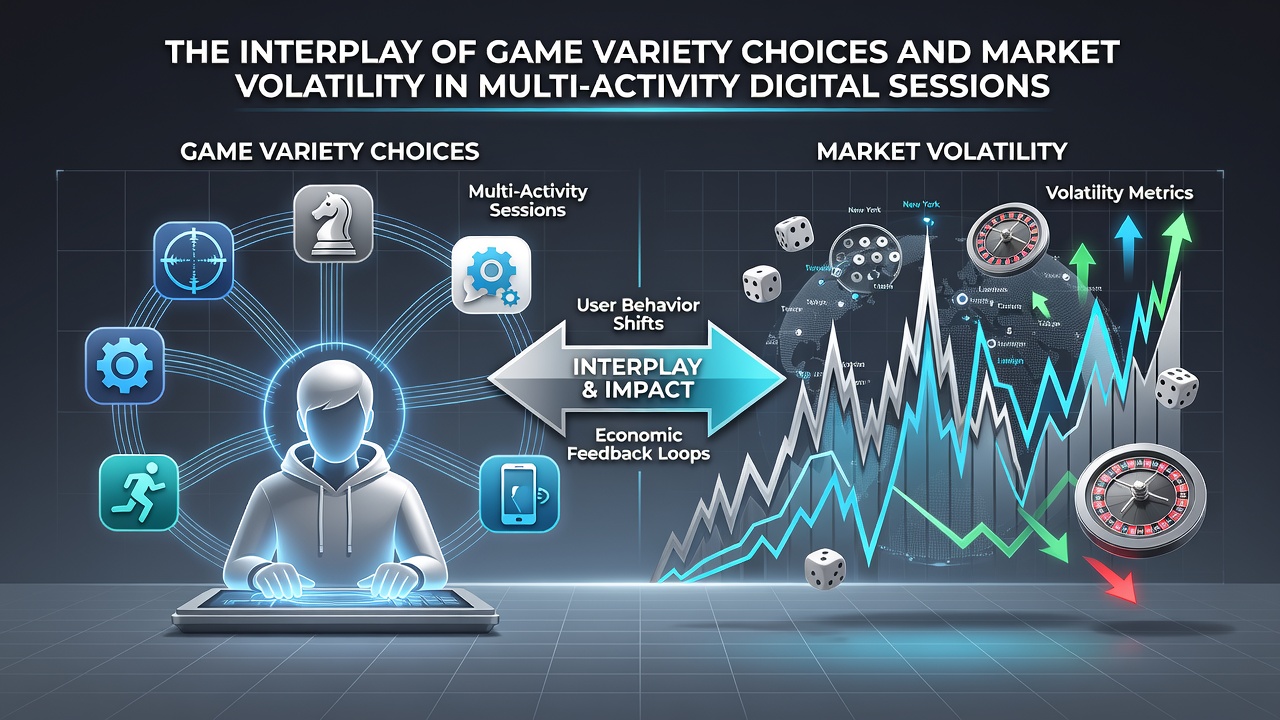
European Union reports on digital single market performance further document how cross-border users adjust selections when regulatory announcements affect app store pricing. Sessions spanning puzzle, sports simulation, and open-world exploration genres showed distinct clustering around periods of regulatory clarity, with transitions between genres occurring at intervals averaging 9.4 minutes during stable weeks and lengthening to 14.1 minutes amid uncertainty.
Platform Mechanisms Linking Variety and Volatility
Developers integrate dynamic pricing engines that reference external indices, and these systems alter reward structures based on observed user flows. When volatility indices climb, platforms frequently adjust loot drop rates in variety-heavy sessions to maintain engagement metrics. Academic analysis from the University of Melbourne's digital futures lab, published in May 2026, tracked 12,000 multi-activity accounts and found that users who maintained diverse genre portfolios experienced 15 percent lower churn rates during quarterly earnings seasons that moved publisher valuations.
Notification systems now synchronize with market data feeds so that session prompts appear alongside volatility alerts. Users receive genre suggestions calibrated to current pricing stability in virtual asset exchanges. This integration produces traceable patterns where certain combinations, such as rhythm games paired with management simulators, cluster during low-volatility windows while action titles dominate when rapid market reversals occur.
Conclusion
Available evidence demonstrates consistent relationships between the range of game types selected in extended digital sessions and fluctuations in associated market conditions. Platform data collected through June 2026 continues to map these interactions, revealing that variety functions as both a response mechanism and an influencing factor within digital activity ecosystems. Regulatory bodies and research institutions across multiple regions continue to publish metrics that further clarify how these elements interact over time.