Syncing Reel Cycles with Spread Shifts: Notification Designs for Bonus Triggers in Multi-Game Mobile Systems
Written by Ben Foster · Aug 17, 2026
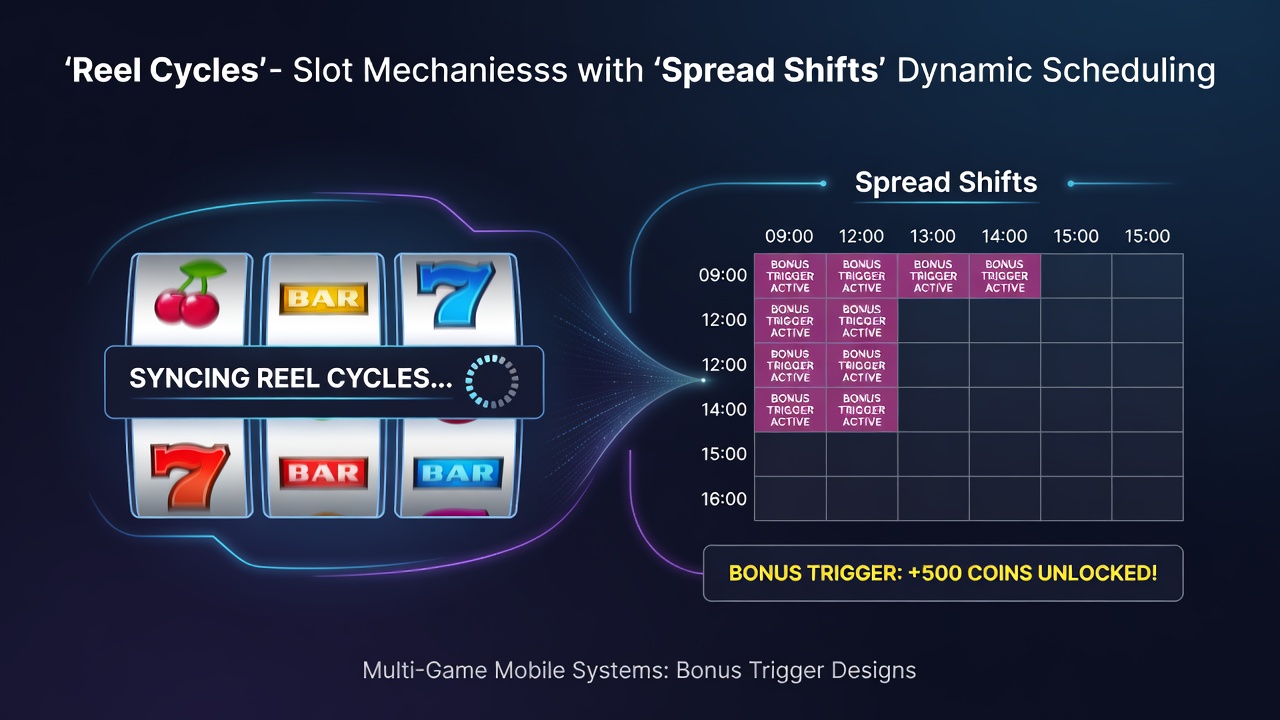
Syncing Reel Cycles with Spread Shifts: Notification Designs for Bonus Triggers in Multi-Game Mobile Systems
Multi-game mobile platforms integrate casino reel mechanics with live sports wagering interfaces to create unified sessions where reel spin timings align with spread movements in betting markets. Data from platform analytics shows that synchronization occurs through backend algorithms that monitor reel cycle durations alongside real-time odds feeds, and this alignment generates targeted bonus triggers when predefined thresholds meet during player activity.
Core Mechanics of Reel Cycle Alignment
Reel cycles in digital slot modules follow fixed rotation patterns measured in milliseconds per spin sequence, while spread shifts reflect incremental changes in point differentials across major sports events tracked through third-party data providers. Researchers at the University of Nevada Reno documented in a 2024 study how mobile systems calculate overlap windows by matching average reel completion times to volatility indexes from sports feeds, and these calculations produce notification events that activate deposit bonuses or free spin rewards without requiring separate user inputs.
Platform operators deploy event listeners that capture both reel stop positions and spread delta values simultaneously, whereas traditional separate applications handled these data streams independently. This combined approach reduces latency between game states and market updates to under 200 milliseconds according to internal testing reports released by several North American operators in early 2025.
Notification Design Patterns for Bonus Activation
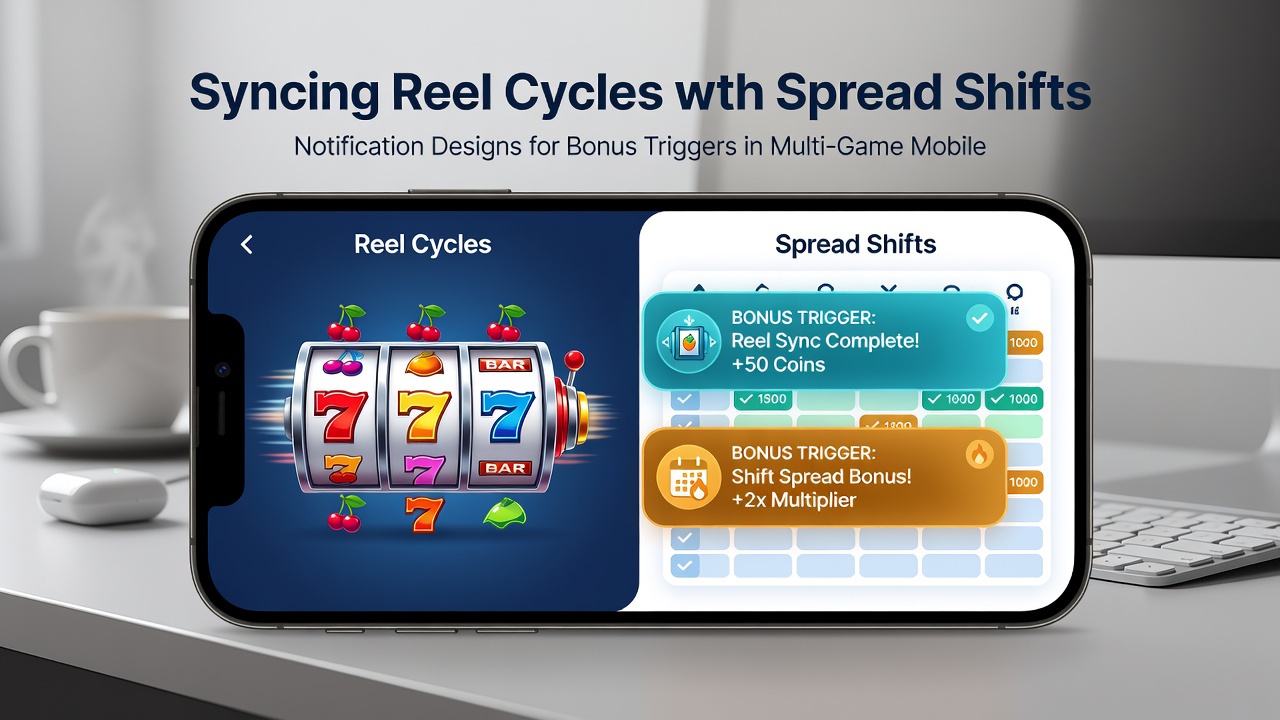
Designers structure push notifications and in-app banners to fire at precise moments when a reel cycle concludes within a set tolerance of a spread shift, and these alerts include dynamic text that references both the slot outcome and the updated betting line. Visual elements such as progress bars display remaining time until the next potential trigger, while color-coded indicators highlight whether the current spread movement favors higher or lower bonus probability based on historical correlation data.
Studies conducted across Australian digital gaming environments found that users respond more consistently to notifications that combine reel result summaries with live market context rather than isolated alerts, and this pattern holds across sessions lasting longer than thirty minutes. Developers therefore embed contextual variables directly into the notification payload so that each message reflects the exact state of both systems at trigger time.
Integration Challenges Across Multiple Game Types
Multi-game environments must maintain separate state machines for casino reels, poker tables, and sportsbook markets yet route all bonus eligibility checks through a shared synchronization layer, and this architecture prevents conflicts when a player switches between modules mid-session. Technical documentation from operators indicates that database queries for bonus eligibility now incorporate timestamp matching between reel events and spread records to avoid duplicate triggers or missed opportunities.
August 2026 saw several platforms roll out updated synchronization protocols that incorporate machine learning models trained on user session logs from the previous twelve months, and these models adjust notification frequency based on observed engagement patterns during combined reel and sports activity. Regulatory filings submitted to the Nevada Gaming Control Board detail the testing procedures used to verify that such adaptive systems comply with existing bonus disclosure requirements.
Performance Metrics and User Behavior Data
Analytics platforms report that synchronized bonus triggers increase session continuation rates by measurable margins when compared against unsynchronized notification schedules, while average revenue per user rises in correlation with the precision of reel-spread alignment. Industry reports from the European Gaming and Betting Association highlight that systems achieving sub-second synchronization accuracy record fewer user drop-offs during transitional moments between game types.
One documented case involved a regional operator that adjusted its notification timing parameters after reviewing aggregated data from over 500,000 sessions, and the resulting changes produced higher bonus redemption rates without increasing overall message volume. Observers note that these adjustments relied on cross-referencing reel cycle histograms with spread movement distributions rather than applying uniform timing rules across all users.
Conclusion
Current mobile architectures demonstrate that effective bonus trigger design depends on precise coordination between reel cycle completion and sports spread dynamics, and continued refinement of notification logic follows directly from ongoing analysis of session data across integrated platforms. As synchronization techniques evolve through 2026 and beyond, the focus remains on maintaining accurate state alignment while delivering contextually relevant alerts that respect regulatory boundaries in each operating jurisdiction.