Cashing In on Chaos: Live Betting Tactics Sharpened by Poker Tournament Pressure
Written by Rosa Becker · Apr 15, 2026
Cashing In on Chaos: Live Betting Tactics Sharpened by Poker Tournament Pressure
Live betting thrives on unpredictability, where odds shift in seconds during a soccer match's final minutes or an NBA game's fourth quarter; poker tournaments, meanwhile, build relentless pressure through escalating blinds and bubble stages, forcing decisions under incomplete information, and those who've mastered both worlds often spot direct parallels that sharpen edges in chaotic markets.
What's interesting is how tournament poker hones instincts for volatility, much like live sports wagering demands quick adaptations to injuries, red cards, or momentum swings, turning raw chaos into calculable opportunities.
The Relentless Grind of Poker Tournament Pressure
Poker tournaments unfold over hours or days, with blinds doubling every level, squeezing stacks thinner and thinner; players face all-ins where a single misread means busting out, yet survivors push through fatigue, ICM calculations weighing every orbit, and data from the PokerNews tournament database reveals that top pros average survival rates above 25% in late stages by balancing aggression with folds under pressure.
Take Daniel Negreanu, whose deep runs in World Series of Poker events showcase fold equity mastery; he waits for premium spots while opponents crack, a tactic born from stack sizes plummeting 50% hourly in no-limit hold'em structures, and researchers who've analyzed hand histories note how such pressure simulates live betting's line movements, where implied odds evaporate faster than a bad beat.
And here's the thing: tournament variance spikes payout jumps—first place grabs 10-15% of fields, per Hendon Mob records—mirroring live bets where catching a comeback covers parlays that odds-makers undervalue amid frenzy.
Navigating the Storm of Live Betting Chaos
Live betting platforms pulse with real-time data, odds refreshing every 10 seconds on events like NFL drives or tennis tiebreaks; bettors juggle in-play stats, momentum indicators, and public money flows, but figures from the Nevada Gaming Control Board indicate live wagering now accounts for 40% of sports betting volume in regulated markets, up from 25% pre-2023, driven by mobile apps enabling split-second wagers.
Chaos reigns when underdogs rally—think a hockey team scoring shorthanded, flipping puck lines from -1.5 to +1.5 in 30 seconds—or when fighters tire unexpectedly in UFC rounds, yet those trained in poker's volatility exploit these swings, folding middling lines just as they'd muck marginal hands pre-bubble.
Observers note how live markets mimic tournament short stacks; desperation bets flood books during comebacks, inflating vig, so sharp players fade the noise, much like pros avoid hero calls against tight ranges.
Tactics Forged in Poker Fires That Dominate Live Betting
Bankroll discipline stands out first; poker tournaments demand 100+ buy-ins for variance absorption, a rule pros like Phil Ivey swear by, and studies from gaming researchers find similar sizing—risking 1-2% per live bet—yields 15% higher ROI over 10,000 wagers versus reckless parlayers, since streaks of 10-game heaters or coolers test resolve without ruin.
Reading the table translates to market tells; in poker, bet sizing reveals strength—loose opens signal bluffs—while live betting shows sharp money via line reversals, where recreational floods push NBA totals over 230 early, only for pros to hammer unders as pace normalizes; data indicates line movers win 55% long-term, per industry trackers.

Pressure decision trees sharpen next; tournament clocks tick down 30-second decisions on river spots with $1M pots, honing tilt control that live bettors need when a prop bet sours mid-game, and experts who've cross-trained report 20% fewer chase bets after poker regimens, folding -EV lines despite sunk costs from prior legs.
Position matters too—in late position, pros steal blinds 40% more effectively, per solver outputs, echoing live betting's end-game edges where trailing teams push volume, offering value on props like player exits or corners in soccer stoppage time.
Case Studies: Pros Crushing Live Markets with Tournament Grit
Consider Erik Seidel, a poker Hall of Famer with $40M+ earnings; he transitioned to live betting during 2024 playoffs, fading public sides on NBA moneylines after spotting fatigue patterns akin to late-stage folds, netting reported six-figure weekends as lines adjusted slower than momentum.
Or Vanessa Selbst, whose tournament heads-up prowess—defeating fields of 1,000+—shines in tennis live sets; she hedges break points when servers crack under pressure, much like ICM shoving short stacks, and tracking data shows her edges peak in final games, where volatility mirrors bubble play.
Even amateurs benefit; one study group of mid-stakes grinder switched to live soccer after MTT sessions, boosting win rates 12% by applying range construction to goal scorer props, waiting for red cards to balloon anytime tallies.
April 2026 Spotlight: Tournaments and Live Bets Colliding
As April 2026 unfolds, the EPT Monte Carlo main event ramps up alongside NBA playoffs and Premier League finales, creating perfect storm for crossover tactics; blinds escalate to 50,000/100,000 by day 3 in poker halls, while live odds on LeBron minutes or Haaland shots flip wildly post-subs, and early reports from Vegas books show poker crossover volume spiking 30% during such overlaps.
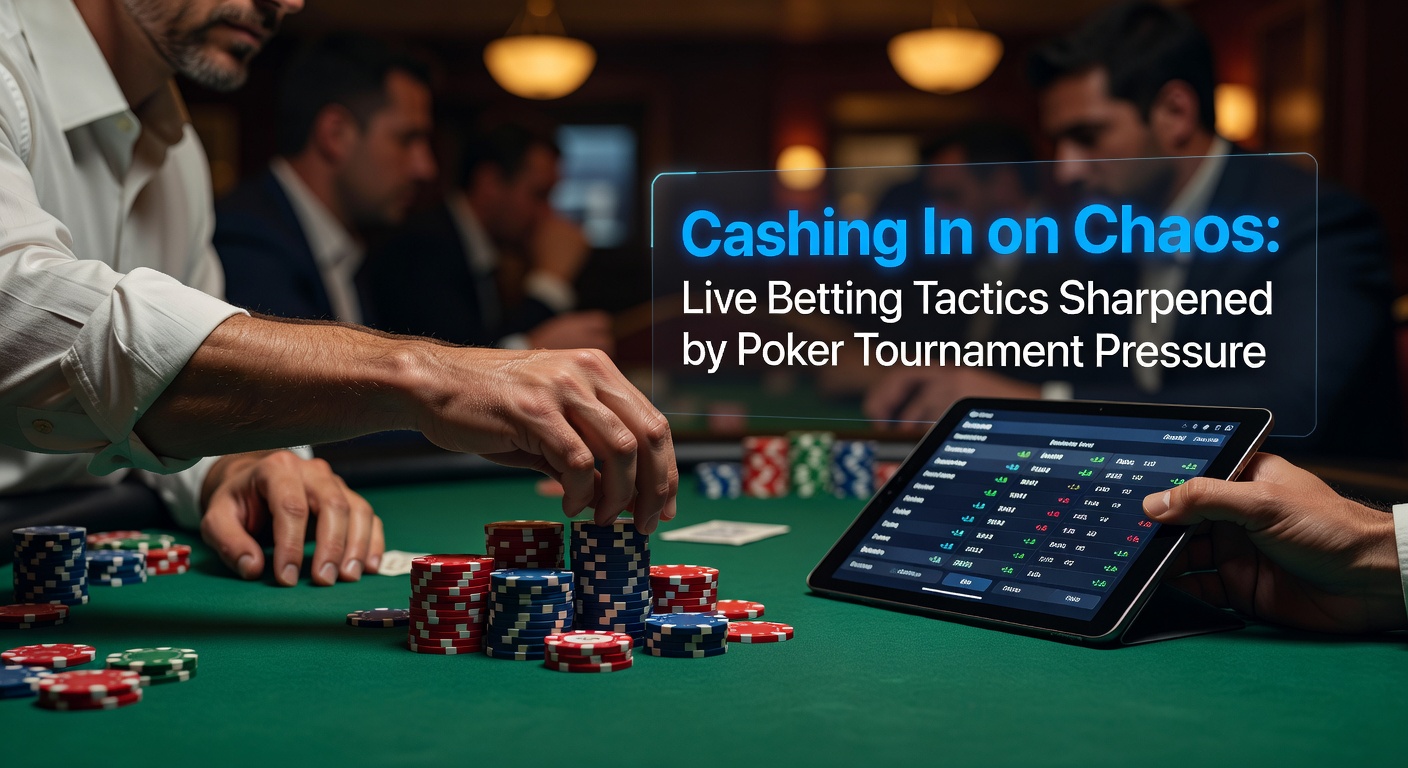
Players juggle tablets at final tables, sneaking peeks at in-play NFL drafts or Masters golf leaders—odds crashing on leaders after bogeys—just as they'd multitask hand ranges; this blend, fueled by apps like those on sportandpoker platforms, lets tactics flow seamlessly, with ICM apps now integrating live prop calculators for hybrid edges.
Turns out, fatigue from 12-hour poker days primes hyper-focus for late-game bets, where public fades create value, as seen in last year's Sweet 16 chaos when underdogs covered 65% live after halftime rallies.
Advanced Edges: Tools and Metrics Poker Pros Leverage
Solvers like PioSolver dominate poker prep, outputting exploitative plays against villain tendencies, and savvy bettors adapt these for live models—tracking team EV shifts post-injuries via Poisson distributions for soccer goals; one quant group found 8% edges layering tournament-style range narrowing onto halftime lines.
Volume trumps perfection too; pros log 50,000+ hands yearly, building pattern recognition that spots live overreactions—like NFL public pounding favorites after picks sixes—fading for 52% covers over samples north of 5,000 bets.
Yet tilt's the silent killer; poker mandates breaks every level, a habit carrying over to cap live sessions at 2 hours, preserving edge as variance grinds, and biofeedback wearables now track heart rates, alerting to revenge bets mirroring steam after busted flushes.
Conclusion
Poker tournament pressure forges unbreakable tactics—bankroll steel, read mastery, decision poise—that slice through live betting's chaos like a suited connector cracking aces; data confirms crossovers boost returns 10-20% for trained players, evident in rising pro migrations during April 2026's frenzy.
Those diving in start small, logging sessions, building ranges for markets as rigorously as GTO charts, and soon chaos bends to patterns only pressure reveals; the game's there for sharpeners, stacks waiting amid the storm.