Adaptive Reward Protocols Responding to Odds Volatility in Multi-Game Mobile Platforms
Written by Paul Schulz · Jul 6, 2026

Adaptive Reward Protocols Responding to Odds Volatility in Multi-Game Mobile Platforms
Adaptive reward protocols operate as dynamic systems that adjust incentive structures in response to fluctuating odds across integrated poker, sports betting, and casino environments on mobile platforms, and these mechanisms track market shifts in real time while recalibrating bonus triggers and payout multipliers accordingly. Observers note that such protocols connect live data feeds from multiple game types so that reward activations align with volatility patterns rather than fixed schedules, which allows platforms to maintain balance when odds swing rapidly during overlapping sessions.
Core Mechanics of Adaptive Protocols
These protocols rely on algorithmic layers that monitor odds movements from sportsbook markets alongside poker hand ranges and casino game outcomes, then apply conditional rules to modify deposit bonuses or loyalty points in response. Data indicates that volatility thresholds trigger changes such as increased cashback percentages during high-fluctuation periods or reduced activation windows when markets stabilize, and this process runs continuously without user intervention. Researchers have documented how multi-game platforms feed these inputs into centralized engines that process thousands of simultaneous sessions, ensuring rewards respond proportionally to the degree of odds deviation observed in each market segment.
Integration Across Game Categories
Multi-game mobile platforms combine poker cash games with live sports wagers and slot or table options, which creates overlapping volatility sources that adaptive protocols must reconcile. When sportsbook odds shift due to late-game developments in events like tennis matches or basketball quarters, the system evaluates whether those movements correlate with poker table dynamics or casino spin frequencies before adjusting rewards. Studies from industry reports show that platforms operating in July 2026 implemented cross-category buffers that prevent reward over-allocation when one game type experiences extreme swings while others remain steady, thereby preserving overall system equilibrium.
Take one platform that synchronized bonus multipliers with both poker variance metrics and sports line movements, allowing users to activate deposit incentives only when combined volatility scores fell within predefined bands. This approach reduced instances of mismatched reward timing and supported sustained engagement across sessions that blended multiple activities.
Real-Time Data Processing and Threshold Adjustments
Algorithms ingest live odds feeds at sub-second intervals and apply statistical models to detect volatility spikes, then recalibrate reward parameters such as wager requirements or expiration periods. According to figures from the American Gaming Association, platforms utilizing these adaptive layers reported measurable shifts in bonus utilization rates during periods of elevated market activity in 2026. The protocols also incorporate historical pattern analysis so that repeated volatility events in specific game combinations prompt preemptive adjustments rather than reactive ones after the fact.
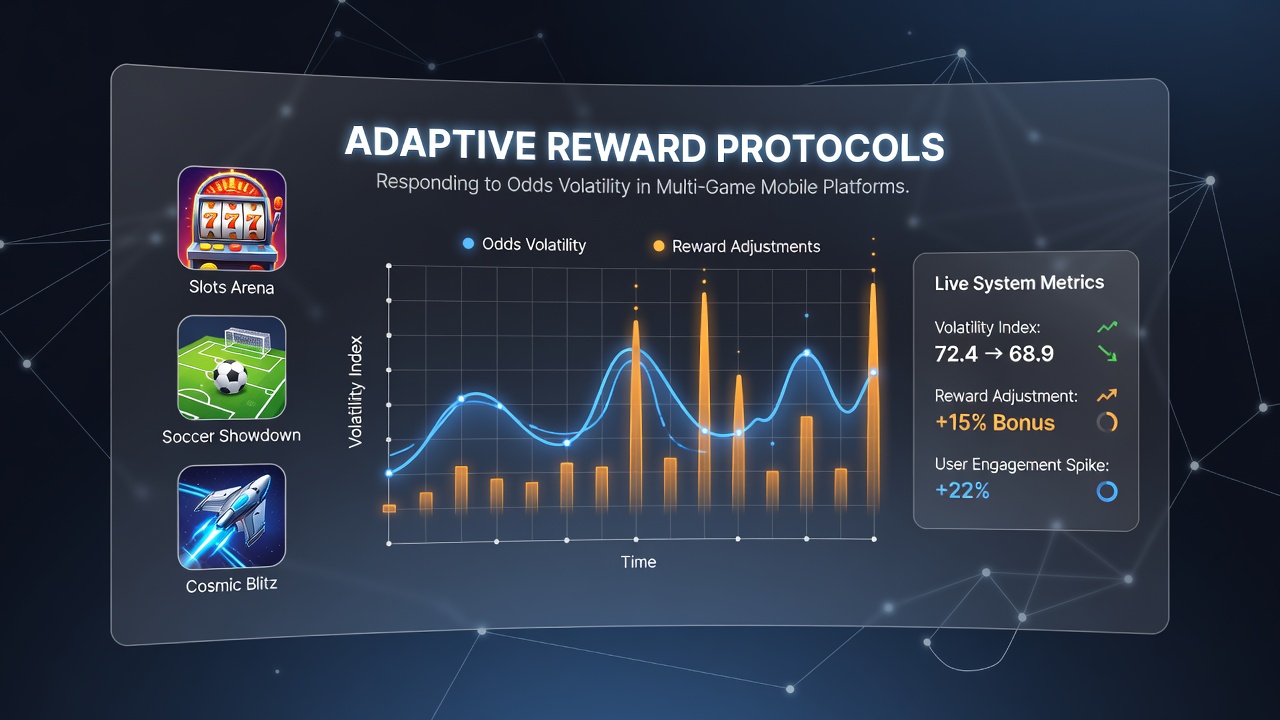
Yet the implementation requires careful calibration because overly sensitive thresholds can generate frequent micro-adjustments that fragment user experience, whereas broader bands may delay responses until significant market displacement has already occurred. Experts have observed that effective systems maintain layered thresholds, with primary rules handling standard fluctuations and secondary rules activating during outlier events such as major tournament overlaps or unexpected sports results.
Regulatory and Technical Considerations in 2026
Regulatory frameworks in regions like Nevada and parts of Canada require transparency in how adaptive protocols modify rewards, which means platforms must log volatility inputs and corresponding reward outputs for audit purposes. The Nevada Gaming Control Board publishes guidelines on algorithmic fairness that influence how these systems disclose adjustment logic to users, while Canadian provincial regulators examine cross-game data flows for compliance with responsible gaming standards. In July 2026, several platforms expanded their reporting dashboards to include volatility response summaries, allowing oversight bodies to verify that reward changes remained proportionate to documented market movements.
Technical infrastructure supporting these protocols includes redundant data pipelines that prevent single-point failures when odds feeds experience latency, and developers integrate machine learning components that refine threshold values based on accumulated session data. Industry organizations such as the European Gaming and Betting Association have noted that platforms deploying such infrastructure achieved more consistent reward distribution across volatile periods without exceeding established risk parameters.
Conclusion
Adaptive reward protocols continue to evolve as multi-game mobile platforms expand their offerings, with ongoing refinements focused on tighter integration between odds feeds and reward engines. Evidence from regulatory filings and platform performance metrics demonstrates that these systems respond to volatility through structured, data-driven adjustments that maintain operational stability across poker, sports, and casino segments. As markets progress through 2026 and beyond, the emphasis remains on precise calibration that aligns reward timing with observable odds dynamics rather than static rules.